
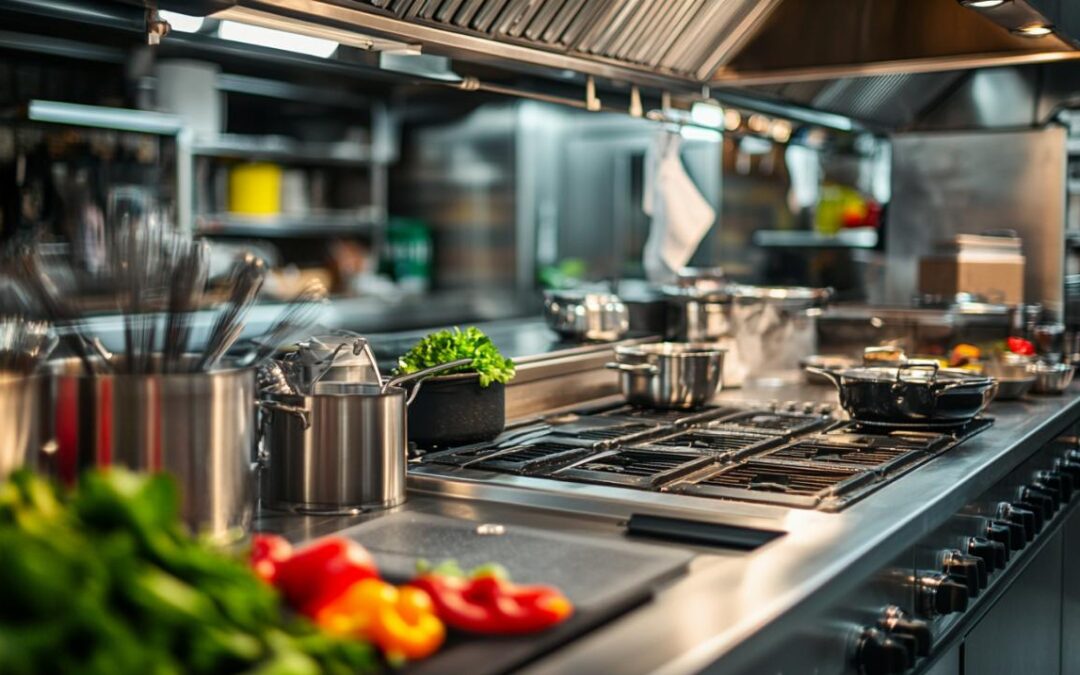
Equipping a professional kitchen requires thoughtful planning and strategic decision-making, particularly when operating within a defined financial framework. Whether launching a new catering venture, refurbishing an established restaurant, or expanding hospitality services, the selection of appropriate commercial kitchen equipment can significantly influence both operational success and long-term profitability. Navigating the extensive range of cooking equipment, refrigeration systems, and food preparation tools available from suppliers across the United Kingdom demands a balanced approach that considers immediate needs alongside future growth potential.
Assessing your kitchen's essential requirements and available space
Before committing to any purchases, establishing a clear understanding of your kitchen's functional requirements forms the foundation of sound equipment selection. The nature of your menu directly influences the type of cooking equipment necessary, as a pizzeria demands vastly different apparatus compared to a fine dining establishment or a busy café. A thorough analysis of your service style, expected covers, and culinary offerings helps identify which items constitute genuine necessities rather than aspirational additions that may strain your budget unnecessarily.
Identifying must-have equipment for your culinary operations
Determining essential equipment begins with mapping out your menu and identifying the core cooking methods required to execute your dishes consistently. A convection oven might serve as the workhorse for a bakery, whilst a combination oven offers versatility for establishments serving diverse menus throughout the day. For venues prioritising healthier cooking methods, investing in modern air fryers has become increasingly popular, with countertop models such as the Lincat Air0 providing efficient alternatives to traditional deep frying. Refrigeration requirements similarly depend on your storage needs, with undercounter freezers like those manufactured by Atosa offering compact solutions for kitchens with limited space. Food preparation areas benefit from reliable equipment such as the Pacojet 4 food processor, which delivers professional results for establishments requiring precise texture control in their dishes. Warewashing capabilities represent another essential consideration, as a dependable dishwasher from manufacturers like Classeq ensures consistent hygiene standards whilst managing operational tempo during service periods.
Measuring and planning your kitchen layout efficiently
Physical space limitations often dictate equipment choices as much as budgetary constraints, making accurate measurement and thoughtful layout planning indispensable steps in the procurement process. Professional kitchen design services employ CAD planning and 3D visualisation tools to optimise workflow efficiency, ensuring that equipment placement facilitates smooth movement between food preparation, cooking, and service areas. Stainless steel fabrication elements such as heated gantries and wire shelving systems maximise vertical space utilisation, creating organised storage solutions that maintain hygiene compliance whilst keeping essential items accessible. Multi-functional equipment becomes particularly valuable in compact kitchens, as combination ovens and countertop appliances reduce the footprint required whilst maintaining cooking versatility. Ventilation systems must receive equal consideration, as adequate extraction manages heat and fumes generated during cooking operations, creating a comfortable working environment and meeting regulatory requirements. Kitchen space planning also accounts for future expansion possibilities, allowing for phased equipment acquisition that aligns with business growth without requiring complete kitchen redesigns.
Balancing quality, durability and cost-effectiveness
The commercial catering industry demands equipment capable of withstanding intensive daily use across extended operating hours, making the balance between initial investment and long-term reliability a critical consideration. Whilst budget constraints naturally influence purchasing decisions, selecting solely on price often proves counterproductive when premature equipment failure disrupts service and necessitates costly emergency replacements. Understanding how to evaluate genuine value requires looking beyond the initial ticket price to consider operational efficiency, maintenance requirements, and expected lifespan.

Recognising value over price when selecting equipment
Professional kitchen equipment represents a substantial investment that directly impacts both food quality and operational efficiency, making informed purchasing decisions essential for sustained success. Energy efficiency characteristics influence running costs significantly over the equipment's lifetime, with modern appliances designed to reduce consumption without compromising performance. A commercial freezer with superior insulation and efficient compressor technology may carry a higher purchase price yet deliver considerable savings through reduced electricity bills over several years of operation. Similarly, cooking equipment such as Blue Seal convection ovens combines robust construction with consistent heat distribution, ensuring reliable results whilst minimising energy waste. Hygiene compliance features built into contemporary equipment designs reduce cleaning time and labour costs, with stainless steel surfaces and accessible components simplifying daily maintenance routines. Equipment reliability directly affects service continuity, as breakdowns during peak trading periods result in lost revenue and disappointed customers that extend far beyond repair costs. Establishing a realistic budget requires calculating total cost of ownership rather than simply comparing initial purchase prices, factoring in installation expenses, staff training requirements, and projected maintenance costs.
Comparing leading manufacturers and their warranty offerings
The commercial kitchen equipment market features numerous reputable manufacturers, each offering distinct advantages in terms of specialisation, build quality, and after-sales support. Established brands such as Rational have built reputations on innovation and reliability, particularly within combination oven technology that delivers exceptional versatility for professional kitchens. Blue Seal provides comprehensive cooking ranges designed specifically for demanding hospitality environments, whilst Hobart remains synonymous with warewashing excellence across the catering industry. Refrigeration specialists like Gram manufacture commercial freezers and refrigerators engineered to maintain precise temperature control under constant use, and Falcon continues producing robust cooking equipment suited to traditional British catering establishments. When evaluating different manufacturers, warranty terms provide valuable insight into product confidence, with comprehensive coverage indicating manufacturer commitment to quality and longevity. Equipment suppliers offering project management services often maintain relationships with multiple brands, providing objective guidance tailored to specific operational requirements rather than promoting single-manufacturer solutions. Investigating spare parts availability and local service networks ensures ongoing support throughout the equipment's working life, minimising downtime when maintenance becomes necessary.
Prioritising safety standards and regulatory compliance
Operating a commercial kitchen in the United Kingdom requires adherence to stringent safety regulations designed to protect both staff and customers, making compliance considerations integral to equipment selection rather than optional extras. Regulatory frameworks governing commercial catering establishments address multiple aspects including electrical safety, gas installation standards, fire prevention measures, and food hygiene protocols. Investing in equipment that meets or exceeds these requirements from the outset prevents costly modifications and ensures smooth inspections by environmental health officers and building control authorities.
Understanding uk safety certifications for commercial kitchens
Commercial kitchen equipment sold within the United Kingdom must comply with relevant safety standards, typically indicated through recognised certification marks that confirm independent testing and approval. Gas equipment requires installation by Gas Safe registered engineers and must meet current gas safety regulations, whilst electric equipment should display appropriate certification confirming compliance with electrical safety standards. Refrigeration systems containing refrigerants fall under F-Gas regulations, requiring proper handling by qualified technicians during installation and maintenance procedures. Ventilation systems must effectively remove cooking fumes and maintain air quality standards, with extraction rates calculated according to kitchen size and equipment heat output. Fire suppression systems represent essential safety infrastructure for commercial kitchens, with automatic suppression equipment required above certain cooking appliances to manage fire risks effectively. Food safety regulations mandate that all equipment contacting food must be constructed from appropriate materials, with stainless steel remaining the preferred choice due to its hygienic properties and resistance to corrosion. Professional equipment suppliers maintain current knowledge of regulatory requirements and can guide purchasers through compliance considerations, ensuring that selected items meet all applicable standards before installation.
Investing in Equipment with Built-In Safety Mechanisms
Modern commercial kitchen equipment incorporates numerous safety features designed to protect operators whilst maintaining efficient workflow, representing worthwhile investments that reduce accident risks and associated liabilities. Hot cupboards and heated storage units feature insulated exteriors that prevent accidental burns, whilst maintaining optimal food temperatures for service. Dishwashers manufactured by companies such as Classeq include safety interlocks that prevent operation with doors open, protecting staff from hot water and steam exposure. Cooking equipment increasingly features automatic shut-off mechanisms that activate when temperature sensors detect overheating or when equipment remains unattended beyond set periods. Commercial fryers benefit from built-in filtration systems and cool zones that reduce fire risks whilst extending oil life, delivering both safety and economic advantages. Food processors and preparation equipment incorporate guards and safety switches that prevent operation unless properly assembled, protecting operators from moving blades and mechanical components. Workflow optimisation through thoughtful equipment placement further enhances safety by reducing congestion and minimising collision risks in busy kitchen environments. Kitchen installation services provided by experienced suppliers ensure proper equipment positioning, adequate clearances, and secure mounting that prevents tipping hazards, whilst also verifying that all safety features function correctly before handover. Regular maintenance schedules preserve safety features throughout equipment lifespan, with professional servicing identifying potential issues before they develop into hazards that compromise kitchen safety.