
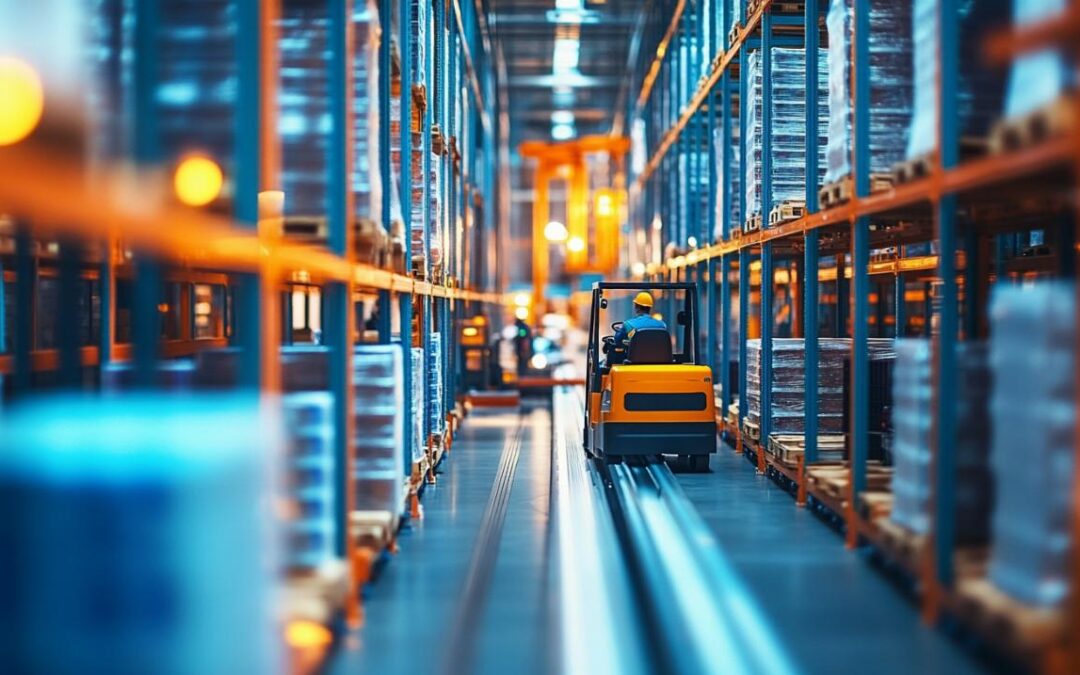
In the contemporary landscape of commerce and trade, the seamless movement of goods from production facilities to end users represents a critical determinant of business success. Central distribution centres have emerged as indispensable pillars within this complex ecosystem, serving as strategic hubs that orchestrate the flow of products with precision and efficiency. These facilities transcend the traditional concept of mere storage spaces, functioning instead as dynamic nerve centres where inventory management, order fulfilment, and logistical coordination converge to meet the ever-escalating expectations of modern consumers and businesses alike.
The Strategic Importance of Central Distribution Centres in Modern Logistics Operations
The fundamental value proposition of a central distribution centre lies in its capacity to transform fragmented supply chain activities into a cohesive, streamlined operation. Unlike conventional warehouses that primarily focus on long-term storage, these facilities are engineered to facilitate rapid product turnover, often measured in days rather than weeks or months. By consolidating goods from multiple suppliers under a single roof, organisations gain unprecedented visibility and control over their inventory, enabling them to respond swiftly to market fluctuations and customer demands. This centralisation of operations creates economies of scale that would be virtually impossible to achieve through dispersed storage solutions, fundamentally altering the cost structure of logistics networks.
Strategic positioning near major transport corridors and urban centres further amplifies the advantages inherent in centralised distribution models. When facilities are located within proximity to key motorways, rail terminals, and shipping ports, the time required to reach end customers diminishes substantially, frequently resulting in reductions of two to three days in delivery schedules. This geographical advantage translates directly into enhanced customer satisfaction whilst simultaneously reducing fuel consumption and transport-related expenditures. The ability to maintain minimal inventory levels whilst ensuring product availability represents a delicate balancing act that central distribution centres execute with remarkable proficiency, leveraging sophisticated forecasting techniques and real-time demand analysis to optimise stock positioning.
How central distribution hubs streamline warehouse management and inventory control
The operational excellence achieved within central distribution centres stems from their integration of advanced storage solutions and management systems. Industrial racking configurations such as adjustable pallet racking provide direct access to every stored unit, eliminating the inefficiencies associated with sequential retrieval methods. For operations requiring strict stock rotation protocols, live pallet racking systems employing first-in-first-out principles ensure product freshness whilst maximising space utilisation. These physical infrastructure choices work in tandem with warehouse management systems that track every item entering, residing within, and departing from the facility, creating an unprecedented level of inventory accuracy that frequently exceeds ninety-eight percent.
The evolution towards automated warehouse technologies has revolutionised how distribution centres approach material handling and order fulfilment. Pallet shuttles and stacker cranes operate autonomously within carefully designed layouts, reducing reliance on manual labour whilst accelerating throughput rates. Scanning and tracking technologies provide real-time visibility into stock movements, enabling managers to identify bottlenecks and optimise workflows with surgical precision. This technological foundation supports activities ranging from goods receiving and quality control through to order picking and packing operations, ensuring that each step in the fulfilment process adheres to rigorous performance benchmarks. The compound effect of these innovations is a distribution environment where order accuracy consistently surpasses ninety-nine percent whilst on-time shipment rates approach ninety-five percent or higher.
The Role of Distribution Centres in Reducing Operational Costs and Enhancing Delivery Speed
Financial considerations remain paramount in supply chain decision-making, and central distribution centres deliver measurable cost advantages through multiple mechanisms. By consolidating product handling activities, organisations eliminate redundant transportation movements and reduce overall vehicle mileage, yielding substantial savings in fuel and maintenance expenses. The ability to process high volumes through a single facility rather than maintaining multiple smaller locations reduces fixed overhead costs associated with facility management, utilities, and administrative staffing. Cross-docking operations, where incoming shipments are immediately transferred to outbound vehicles without entering storage, further compress handling time and associated labour costs whilst accelerating product velocity through the supply chain.
The competitive landscape of online retail and e-commerce fulfilment has elevated delivery speed from a differentiating factor to a baseline expectation. Distribution centres positioned strategically within regional markets enable next-day or even same-day delivery capabilities that would be economically unfeasible using traditional warehouse networks. This proximity advantage becomes particularly pronounced during peak seasons when demand surges place extraordinary strain on logistics infrastructure. Facilities equipped with scalable storage solutions and flexible labour management systems can absorb volume spikes without compromising service quality, maintaining the reliability that customers have come to expect. The cumulative impact of these operational and financial benefits positions central distribution centres as essential enablers of contemporary commerce.
Optimising supply chain efficiency through centralised distribution networks
The architecture of modern supply chains reflects an intricate web of interdependencies, where efficiency gains in one segment cascade through the entire system. Centralised distribution models serve as force multipliers within this framework, enhancing coordination between suppliers, manufacturers, and retailers whilst simultaneously improving responsiveness to consumer behaviour. By functioning as consolidation hubs, these facilities aggregate products from diverse origins, creating opportunities for optimised transportation planning and reduced empty vehicle movements. This aggregation capability proves particularly valuable for businesses managing extensive product portfolios or those operating across multiple market segments, as it enables standardised processes and systems that would be difficult to replicate in fragmented networks.
Sustainability considerations have emerged as increasingly important factors in supply chain design, and centralised distribution contributes meaningfully to environmental objectives. Reduced transportation distances and optimised vehicle utilisation translate directly into lower carbon emissions, aligning operational practices with corporate responsibility commitments. Some facilities incorporate sustainable packaging materials and energy-efficient material handling equipment, further diminishing their environmental footprint. The concentration of activities within purpose-built facilities also enables investments in renewable energy sources and waste reduction programmes that would be economically challenging to implement across multiple smaller locations. These environmental benefits complement the operational and financial advantages, creating a compelling case for centralisation that resonates across diverse stakeholder groups.
Managing Product Flow and Storage Solutions for Maximum Efficiency
The physical design and layout of a distribution centre profoundly influences its operational performance, with flow optimisation principles guiding every aspect of spatial organisation. High-velocity items are positioned near dispatch zones to minimise picking distances, whilst slower-moving stock occupies peripheral areas where accessibility requirements are less stringent. This velocity-based positioning strategy, combined with clearly defined pathways for material movement, creates a choreographed environment where products progress seamlessly from receiving docks through storage zones and ultimately to shipping bays. Vertical storage solutions capitalise on cubic capacity, transforming otherwise underutilised overhead space into productive storage volume that expands facility capacity without requiring additional land.
The diversity of product characteristics demands equally diverse storage methodologies, with ambient and temperature-controlled environments coexisting within comprehensive distribution operations. Cold storage zones maintain precise thermal conditions for perishable goods, whilst ambient areas accommodate stable products requiring no special environmental controls. Compact storage configurations maximise density for homogeneous stock keeping units, whereas direct access systems facilitate rapid retrieval of varied product lines. This storage flexibility enables distribution centres to serve multiple industry sectors simultaneously, from food and beverage operations requiring stringent temperature management to retail and manufacturing clients prioritising rapid order turnaround. The ability to configure storage solutions in alignment with product requirements represents a fundamental competency that distinguishes high-performing distribution operations from their less sophisticated counterparts.
Technology Integration in Distribution Centres for Real-Time Logistics Coordination
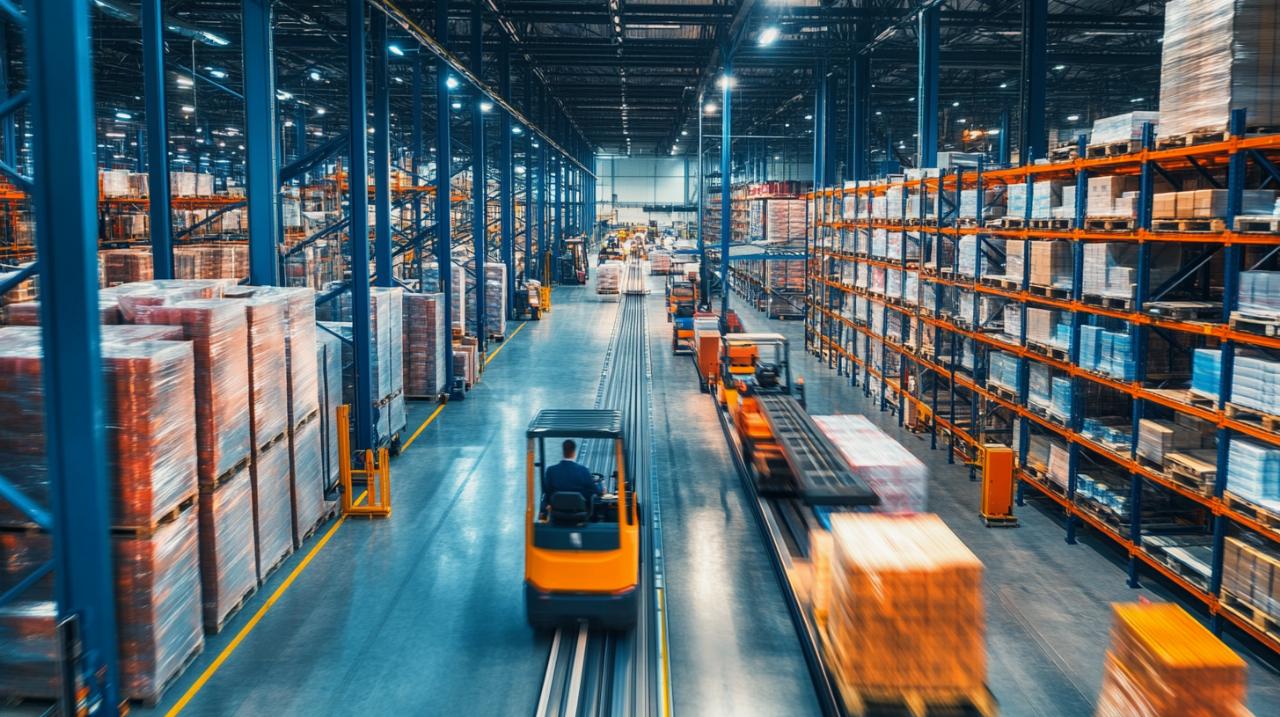
The digital transformation sweeping through logistics operations has elevated technology from a supporting function to a core strategic asset within distribution centres. Warehouse management systems serve as the operational brain, orchestrating activities ranging from inbound appointment scheduling through to final shipment confirmation. These platforms integrate with enterprise resource planning systems and transportation management solutions, creating an information ecosystem that provides end-to-end visibility across the entire supply chain. Automated material handling systems execute physical tasks with precision and consistency, whilst scanning technology captures data at every transaction point, feeding information back into management systems that continuously refine operational parameters.
Real-time coordination capabilities enabled by these technological foundations allow distribution centres to function as responsive entities rather than static storage facilities. When unexpected demand spikes occur or transportation delays disrupt planned schedules, systems can dynamically reallocate resources and adjust priorities to minimise service impact. Demand forecasting algorithms analyse historical patterns and market signals to anticipate future requirements, enabling proactive inventory positioning that prevents stockouts whilst avoiding excess accumulation. Just-in-time inventory principles, facilitated by accurate forecasting and supplier coordination, compress working capital requirements whilst maintaining service levels. The convergence of physical automation and information systems creates a synergistic environment where efficiency gains compound over time, establishing a competitive moat that proves difficult for less technologically advanced competitors to overcome.
Meeting client demands: ensuring timely product delivery and service excellence
Contemporary customer expectations have established demanding new standards for order fulfilment, where speed, accuracy, and transparency represent non-negotiable requirements. Distribution centres bear primary responsibility for delivering against these expectations, translating commitments made during the sales process into tangible outcomes that determine customer retention and brand reputation. Order accuracy serves as perhaps the most fundamental performance metric, as errors generate costly returns processing, damage customer relationships, and erode profitability. Achieving accuracy rates exceeding ninety-nine percent demands meticulous attention to detail throughout the fulfilment process, from initial picking activities through final quality control checks before dispatch.
The complexity of managing diverse product portfolios whilst maintaining rapid throughput creates operational challenges that test the capabilities of even the most sophisticated distribution operations. Micro-fulfilment centres have emerged as a complementary approach for urban markets, positioning small-format facilities within densely populated areas to enable ultra-rapid delivery. However, these specialised nodes rely upon central distribution centres to provide inventory replenishment and serve as strategic reserves during demand fluctuations. The relationship between centralised and localised fulfilment capabilities illustrates the layered nature of modern distribution networks, where different facility types play complementary roles in delivering comprehensive service coverage. Returns processing adds another dimension of complexity, requiring dedicated workflows that assess product condition, update inventory records, and determine appropriate disposition whilst minimising the time items remain outside saleable stock.
The Impact of Strategic Location on Distribution Centre Performance and Customer Satisfaction
Geographical positioning decisions carry long-term implications that extend far beyond initial site selection considerations. Facilities located near major ports benefit from direct access to imported goods, reducing inland transportation costs and accelerating customs clearance processes. Container capacity at these locations enables efficient receiving operations, with some facilities managing volumes exceeding eleven thousand six hundred twenty-foot equivalent units. Proximity to manufacturing concentrations provides similar advantages for domestically produced goods, whilst locations near consumer population centres optimise last-mile delivery economics. These locational attributes create structural advantages that persist throughout the operational life of the facility, influencing everything from transportation costs to labour availability.
The interplay between location and service capability becomes particularly evident when examining delivery time commitments. Facilities positioned within strategic corridors can reach substantial portions of the national population within next-day delivery windows using ground transportation, avoiding the premium costs associated with air freight. This coverage capability enables businesses to compete effectively against competitors whilst maintaining healthy profit margins on fulfilment activities. Transport link quality, including motorway access and rail connectivity, determines how efficiently goods can be moved in and out of the facility, directly impacting throughput capacity. As land availability in prime locations becomes increasingly constrained and development costs escalate, organisations that secured well-positioned sites earlier enjoy significant competitive advantages that newer market entrants find difficult to replicate.
Future Trends in Distribution Centre Management and Automated Logistics Systems
The trajectory of distribution centre evolution points towards increasingly automated and data-driven operations, where artificial intelligence and robotics assume expanding roles in daily activities. Autonomous mobile robots navigate warehouse floors, transporting goods between zones without human intervention, whilst machine learning algorithms optimise picking routes and storage assignments in real time. These technological advances address persistent labour management challenges, particularly during peak seasons when staffing requirements surge beyond baseline levels. The ability to scale operations flexibly through automation reduces reliance on temporary workforce augmentation whilst improving consistency and reliability across demand cycles.
Sustainability imperatives will increasingly shape facility design and operational practices, with carbon reduction targets driving investments in renewable energy generation, electric vehicle fleets, and circular economy principles. Protective packaging innovations utilising recyclable and biodegradable materials will replace traditional options, reducing waste streams whilst maintaining product protection standards. Performance benchmarks will expand beyond traditional metrics to incorporate environmental impact measures, creating accountability frameworks that balance operational efficiency with ecological responsibility. The convergence of automation, sustainability, and data analytics will define the next generation of distribution centres, creating facilities that operate with unprecedented efficiency whilst minimising environmental impact and adapting dynamically to evolving market conditions. As these trends mature, the central distribution centre will solidify its position as the cornerstone of competitive supply chain operations, enabling businesses to meet customer expectations whilst controlling costs and supporting broader sustainability objectives.