
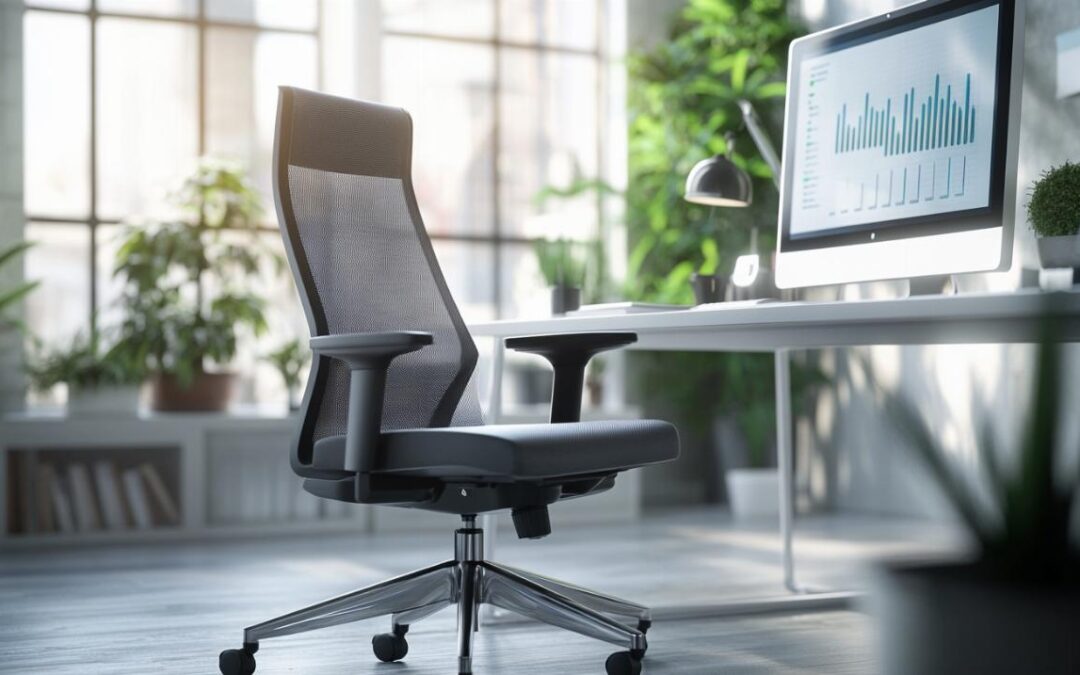
Modern workplaces are increasingly recognising that the physical environment directly influences both staff wellbeing and overall business performance. Among the many elements that contribute to a productive office setting, the choice of seating stands out as a critical factor. An investment in proper workplace furniture not only supports the health of employees but also plays a significant role in sustaining energy levels and maintaining focus throughout the working day. As organisations strive to optimise their operations, understanding how thoughtful seating choices can transform daily output has never been more essential.
How ergonomic office chairs boost workplace comfort and health
The relationship between seating quality and physical wellbeing is well established. Many businesses lose hundreds of hours each month due to inadequate office design, with stiff chairs and incorrect desk heights leading to physical strain and distraction. When employees are forced to work in uncomfortable conditions, their bodies suffer from prolonged stress, which can accumulate over time and lead to more serious health complications. Ergonomic chairs are specifically designed to support the spine and reduce absenteeism by addressing these concerns at their source. By providing proper support, these chairs help to alleviate discomfort and enable staff to concentrate on their tasks rather than on aching muscles or sore joints.
Reducing musculoskeletal disorders through proper seating design
One of the most significant benefits of investing in high-quality seating is the reduction in musculoskeletal disorders. Poor seating arrangements contribute to a range of issues, from lower back pain to neck strain, all of which can lead to increased sick days and reduced morale. Ergonomic seating with lumbar support is proven to minimise these musculoskeletal issues by promoting a natural spinal alignment. This approach not only decreases the frequency of work-related injuries but also helps to prevent the development of chronic conditions that can affect employees for years. When staff members are seated correctly, the physical strain associated with prolonged sitting is significantly reduced, leading to fewer healthcare costs and a more engaged workforce. The implementation of ergonomic solutions has been shown to increase productivity and decrease error rates, as employees are able to focus on their work without the constant distraction of discomfort.
The Role of Adjustable Features in Maintaining Optimal Comfort
Adjustability is a cornerstone of effective ergonomic design. Adjustable desks and chairs allow employees to personalise their workspace according to their individual needs, which is essential given the diversity of body types and working styles present in any office. Customisable workstations promote autonomy and engagement by giving staff the freedom to modify their seating height, backrest angle, and armrest position. This flexibility ensures that each person can find a configuration that supports their posture and reduces physical stress. Moreover, the ability to alternate between sitting and standing throughout the day has been linked to improved energy levels and reduced health risks associated with prolonged sitting. By enabling movement and adaptation, adjustable features contribute to a dynamic work environment where comfort and health are prioritised. Such features are integral to any ergonomic office chair guide, as they represent the practical application of ergonomic principles in everyday use.
The direct link between ergonomic seating and enhanced productivity
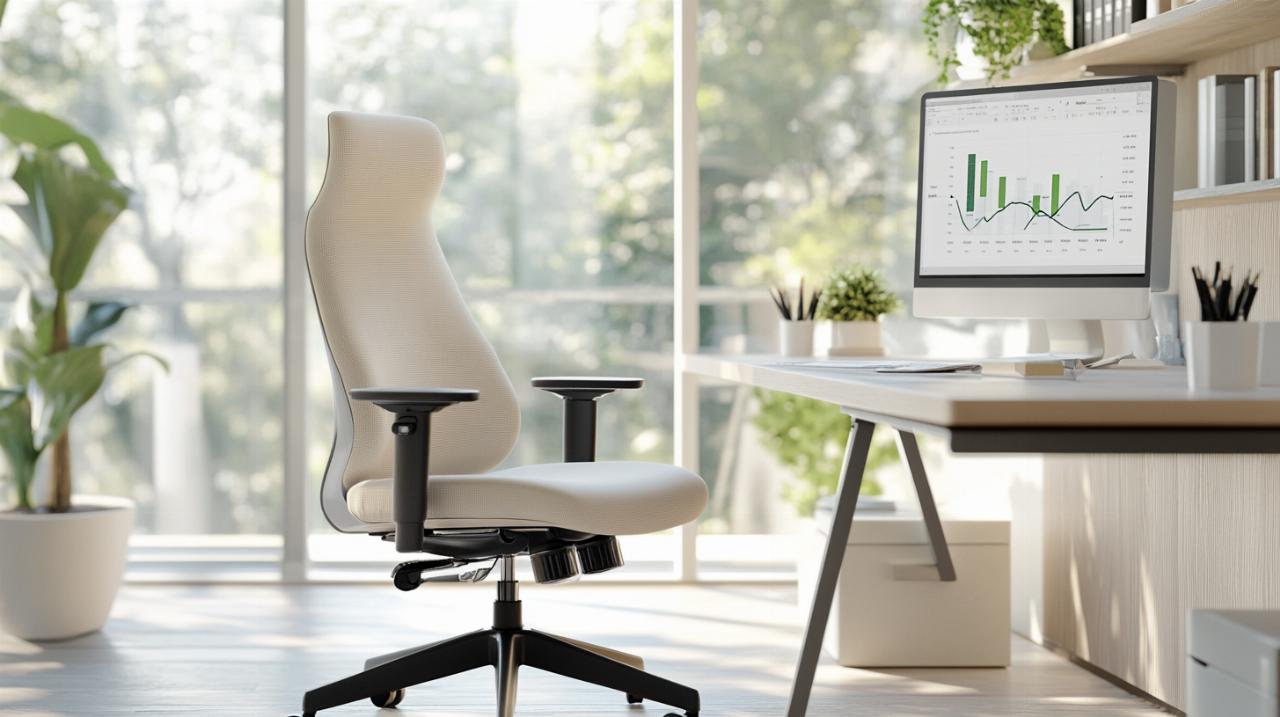
The connection between comfort and performance is both intuitive and supported by extensive research. When employees are seated comfortably, they are naturally more focused and less likely to be distracted by physical discomfort. Poorly designed furniture leads to reduced focus and a decline in overall efficiency, whereas well-planned environments enhance morale and performance. Ergonomic chairs enhance productivity by improving posture and reducing health risks, which in turn leads to better work focus and fewer sick days. The positive effects of ergonomic seating extend beyond immediate comfort, influencing long-term business outcomes such as employee retention and overall job satisfaction. In a competitive market, organisations that invest in the wellbeing of their staff are more likely to see sustained improvements in output and morale.
Improved Posture and Its Impact on Energy Levels Throughout the Workday
Maintaining good posture is essential for sustaining energy levels during long working hours. When employees sit in chairs that support their natural spinal curves, they experience less fatigue and are able to maintain concentration for extended periods. Proper seating with lumbar support reduces the physical effort required to hold oneself upright, which conserves energy and allows for greater mental focus. Dedicated zones for concentration and collaboration, combined with ergonomic furniture, create an environment where staff can perform at their best. Natural light and logical layouts further enhance this atmosphere by reducing eye strain and promoting a sense of well-being. The cumulative effect of these factors is a workforce that remains alert and engaged, with energy levels that do not dwindle as the day progresses. Comfortable seating leads to better focus, reduced fatigue, and boosted energy levels, all of which are critical for achieving high performance in a demanding work environment.
Long-Term Economic Benefits of Investing in Quality Office Furniture
The financial advantages of investing in ergonomic office furniture extend well beyond the initial purchase price. Returns on ergonomic investments can often be observed within months, as the reduction in absenteeism and the increase in productivity quickly offset the upfront costs. High-quality furniture helps prevent serious health issues, which in turn reduces healthcare costs and the number of sick days taken by employees. Strategic procurement simplifies the buying process and maintains consistent quality, while using fewer suppliers lowers administration costs and increases overall productivity. Reliable suppliers ensure that products meet safety standards and that delivery processes run smoothly, further enhancing the efficiency of the investment. A well-furnished office also creates a positive impression on clients and visitors, reinforcing the professional image of the organisation. Investing in quality office furniture is a strategic decision with long-term benefits that encompass improved employee health, enhanced productivity, and a stronger competitive position in the marketplace. The overall impact is a more engaging work environment where both staff satisfaction and business performance are significantly improved.