
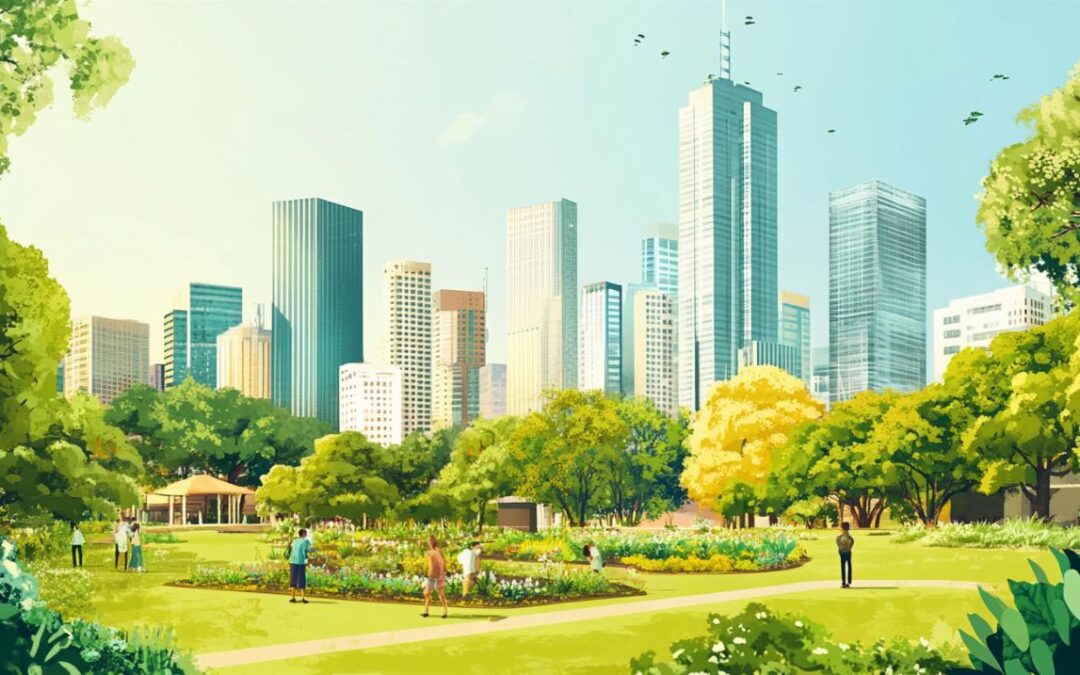
The intersection of cultural preservation and environmental responsibility has emerged as a defining theme for cities and institutions across Europe. As communities recognise the urgent need to address climate change, they are discovering that safeguarding historic landmarks and traditional practices need not come at the expense of ecological balance. Initiatives combining heritage conservation with sustainable strategies are demonstrating that it is possible to honour the past whilst actively shaping a greener future. From ancient monastic gardens to industrial sites reimagined as cultural centres, these projects illustrate a commitment to both cultural identity and planetary wellbeing.
Understanding the Intersection of Cultural Heritage and Environmental Sustainability
The relationship between cultural heritage and environmental sustainability is both profound and multifaceted. Historic sites, traditional monuments, and artefacts embody centuries of human creativity and collective memory, yet their preservation often demands significant energy and resources. As the European Union sets its sights on becoming the first climate-neutral continent, the challenge lies in balancing the imperative to protect irreplaceable cultural assets with the equally pressing need to reduce carbon emissions and adopt eco-conscious practices. This dual commitment is reflected in the Framework for Action on Cultural Heritage, which integrates sustainability as a core principle. According to recent data, buildings account for roughly 40 per cent of energy consumption and 36 per cent of greenhouse gas emissions across the EU, underscoring the importance of energy efficiency improvements in heritage structures to meet carbon neutrality targets by 2050.
The Role of Ecological Approaches in Safeguarding Historical Sites
Ecological approaches to heritage preservation are gaining traction as communities seek methods that minimise environmental impact whilst ensuring the longevity of historic sites. The restoration of the medieval garden at the Royal Monastery of Santa Maria de Pedralbes in Barcelona serves as a prime example of this ethos. By employing traditional techniques rooted in medieval horticultural practices, the project not only revives a historic landscape but also fosters community inclusion and promotes biodiversity. Such initiatives demonstrate that looking to the past for inspiration can yield solutions that resonate with contemporary sustainability goals. In Stockholm, the transformation of a historic gasworks area into a vibrant cultural hub exemplifies the reuse of original materials and the enhancement of energy performance, turning an industrial relic into a dynamic space for events and community engagement.
How climate-conscious methods protect traditional monuments and artefacts
Climate-conscious methods are proving instrumental in safeguarding traditional monuments and artefacts from the ravages of time and environmental degradation. Digital transformation tools such as augmented reality and virtual reality are being deployed to create immersive experiences that reduce the physical wear on fragile sites whilst allowing wider public access. These technologies enable visitors to explore heritage virtually, thereby diminishing the need for excessive foot traffic that can accelerate deterioration. Moreover, controlled visitor management strategies and eco-taxes are being implemented to mitigate the environmental footprint of heritage tourism. The Balearic Islands, for instance, introduced an eco-tax in 2016 that has since generated nearly 377 million euros dedicated to sustainability projects by 2025, channelling tourism revenues into conservation efforts and renewable energy initiatives. Such fiscal mechanisms not only fund restoration projects but also encourage responsible tourism practices that align with the broader goals of environmental protection.
Implementing eco-friendly strategies for long-term heritage conservation
Long-term conservation of cultural heritage necessitates the integration of eco-friendly strategies that address both immediate preservation needs and future sustainability challenges. Cities and institutions are increasingly adopting circular economy principles, wherein materials and resources are reused and repurposed to minimise waste. This approach is evident in urban regeneration projects across Europe, where heritage buildings are retrofitted with energy-efficient systems and sustainable materials. The European Heritage Hub project, which received 40 applications from 33 cities, highlights the widespread enthusiasm for initiatives that marry cultural stewardship with environmental innovation. From Glasgow to Ljubljana, municipalities are redeveloping historic sites to serve as community focal points whilst advancing climate leadership goals. These efforts are supported by expert networks that facilitate the exchange of best practices among cultural professionals and policymakers, ensuring that lessons learned in one city can inform strategies elsewhere.
Renewable Energy Solutions for Museum and Gallery Operations
Museums and galleries, as custodians of priceless collections, are uniquely positioned to lead by example in the adoption of renewable energy solutions. The integration of solar panels, wind turbines, and geothermal systems into museum operations not only reduces reliance on fossil fuels but also demonstrates a tangible commitment to climate action. In Guimarães, Portugal, a pilot programme is testing zero-carbon policies through cultural and social engagement, partnering with diverse stakeholders to reimagine how cultural institutions operate. Renewable energy installations can be seamlessly incorporated into heritage buildings with careful design, ensuring that modern technology complements rather than compromises historic architecture. Furthermore, energy-efficient lighting, heating, and climate control systems help museums maintain optimal conditions for artefact preservation whilst significantly lowering their carbon footprint. The Creative Climate Leadership initiative supports cultural professionals in navigating climate-related issues, equipping them with the knowledge and tools to implement sustainable practices in their institutions. Insights from platforms such as the carnivale studio blog and other digital sources provide valuable guidance on integrating green technologies into everyday operations, fostering a culture of innovation and responsibility.
Biodegradable Materials and Natural Restoration Techniques for Historic Buildings
The use of biodegradable materials and natural restoration techniques represents a return to time-honoured methods that prioritise environmental harmony. Traditional lime mortars, natural pigments, and organic sealants offer alternatives to synthetic compounds that can off-gas harmful chemicals and contribute to indoor pollution. In restoration projects across European cities, craftsmen and conservators are rediscovering these age-old materials, which not only align with sustainability principles but also ensure compatibility with original building fabrics. The medieval techniques employed in the restoration of the monastery garden in Barcelona serve as a testament to the enduring relevance of natural methods. By eschewing chemical fertilisers and synthetic additives, the project supports local biodiversity and reduces the ecological footprint of garden maintenance. Similarly, the reuse of original materials in Stockholm's cultural hub exemplifies a circular approach to heritage conservation, where salvaged timbers, bricks, and metalwork are repurposed to preserve historical authenticity whilst minimising waste. These practices are reinforced by EU-wide initiatives that promote the regeneration of cities through cultural heritage, encouraging the adaptive reuse of heritage buildings and the balancing of public access with preservation imperatives.
As the heritage tourism market continues to expand, valued at approximately 605 billion pounds in 2024 with projected annual growth of 4.5 per cent through 2030, the imperative to adopt sustainable practices becomes ever more critical. Effective management strategies, including controlled visitor numbers and eco-taxation, are essential to ensuring that the economic benefits of heritage tourism do not come at the cost of environmental degradation or site deterioration. The initiatives unfolding in cities such as Nantes and Oostende, where platforms for community engagement and heritage awareness are being created, underscore the importance of involving local populations in conservation efforts. By fostering a sense of shared ownership and responsibility, these projects build resilient communities that are equipped to steward their cultural and natural resources for generations to come. The convergence of digital transformation, renewable energy, and natural restoration techniques heralds a new era in heritage preservation, one in which the lessons of the past inform a sustainable and inclusive future.