
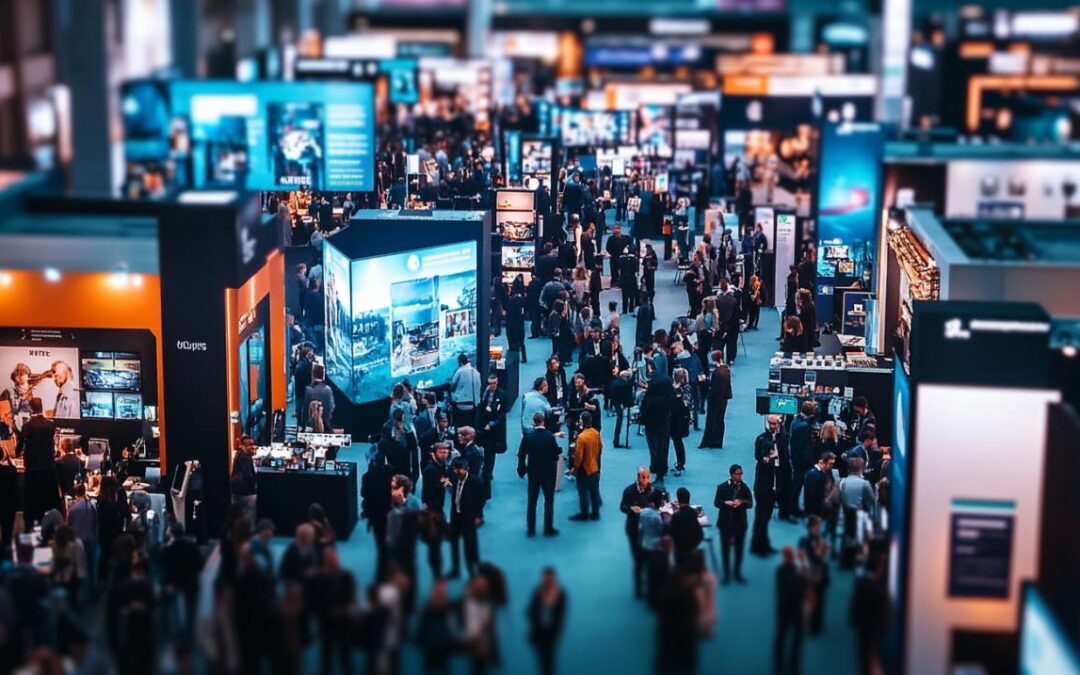
Participating in a trade show presents an exceptional opportunity for businesses to connect directly with potential customers, showcase their latest innovations, and build lasting professional relationships. When executed strategically, these events can significantly enhance brand visibility and generate valuable leads. However, the difference between a successful exhibition and a missed opportunity often lies in meticulous planning, engaging product demonstrations, and a well-trained team that embodies your brand values. Understanding how to navigate the complexities of event planning, from selecting the right venue to following up with contacts, is essential for maximising your return on investment and leaving a lasting impression on attendees.
Strategic Planning and Preparation for Trade Show Success
Defining Clear Objectives and Selecting the Right Trade Show for Your Business
Before committing resources to any exhibition, it is crucial to establish what you aim to achieve. Whether your goal is to generate new leads, raise brand awareness, launch a product, or strengthen relationships with existing clients, having measurable objectives will guide every decision you make. Setting specific key performance indicators, such as the number of meaningful conversations held, badges scanned, or meetings booked, allows you to evaluate success objectively once the event concludes. Identifying your target audience is equally important, as it ensures that your promotional efforts are directed towards those who are most likely to engage with your offerings. Research shows that a significant majority of trade show attendees possess purchasing power, making these events particularly valuable for businesses seeking to convert interest into sales. Carefully selecting exhibitions that align with your industry and audience profile ensures that your participation is both relevant and impactful, rather than a scattergun approach that yields limited results.
Allocating Resources and Budget for Maximum Return on Investment
A successful trade show presence requires careful allocation of human and financial resources. This includes budgeting for stand design, marketing materials, travel, accommodation, and any additional services such as electricity or audiovisual equipment. Early registration with event organisers is advisable, as it often secures better stand locations and may offer cost savings. Each exhibition typically provides an exhibitor's manual outlining specific guidelines regarding stand dimensions, safety protocols, setup timings, and restrictions on sound or lighting. Adhering to these rules is essential to avoid penalties and ensure a smooth experience. Beyond financial planning, assembling the right team is critical. Your staff should include sales professionals, technical experts, and individuals who can engage confidently with visitors. Investing in their training ensures they are well-versed in your products, understand the event's objectives, and can communicate your brand's key messages effectively. A well-prepared team not only enhances visitor experience but also maximises the number of leads captured and relationships formed during the event.
Designing an Engaging Exhibition Stand with Impactful Product Demonstrations
Creating an attractive booth layout that showcases your brand identity
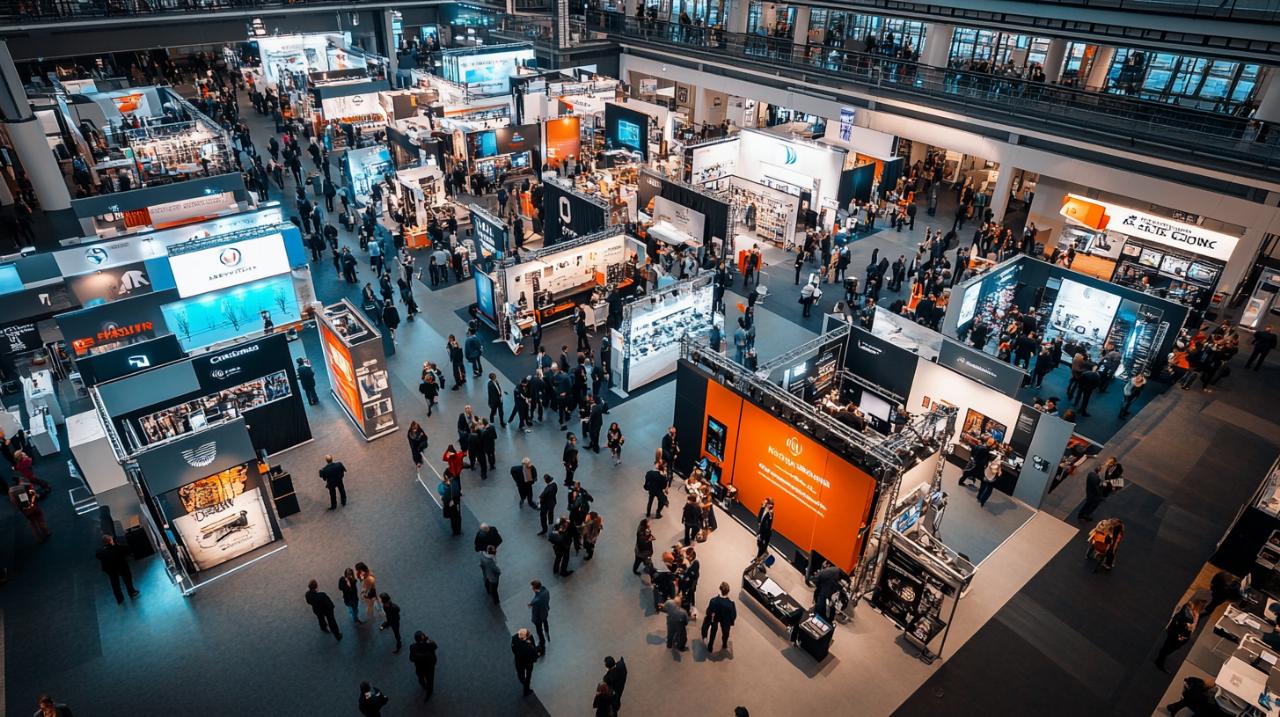
Your exhibition stand serves as the physical embodiment of your brand, and its design should reflect your identity while supporting your strategic goals. A thoughtful layout considers factors such as foot traffic flow, visibility from key areas of the venue, designated meeting zones, and spaces for product demonstrations or presentations. Consistent branding across all visual elements, from banners and signage to furniture and promotional materials, reinforces recognition and professionalism. Innovative display solutions, such as interactive screens, holograms, or dynamic lighting, can distinguish your stand from competitors and draw visitors in. The use of engaging features like racing simulators for recruitment purposes, coffee corners for informal conversations, or photo booths that encourage social sharing can create memorable experiences. Ensuring that your booth is both aesthetically appealing and functionally efficient encourages longer visitor engagement and facilitates meaningful interactions. Rehearsing the setup process beforehand helps identify potential issues and ensures that your team can assemble the stand quickly and efficiently on the day of the event.
Training Your Team to Deliver Professional and Persuasive Product Demonstrations
Product demonstrations are among the most effective tools for capturing attention and building trust at trade shows. Allowing visitors to experience your products firsthand helps them understand the benefits and applications in a tangible way, which can significantly accelerate purchasing decisions. To maximise the impact of these demonstrations, your team must be thoroughly trained not only in the technical aspects of your offerings but also in communication and presentation skills. Rehearsing pitches and scenarios ensures that staff can confidently address questions, overcome objections, and tailor their messaging to different audience segments. Creating interactive moments, such as live tastings, quizzes, or challenges aligned with your brand values, can further enhance engagement. For instance, gamification techniques like a wheel of fortune or a safe-cracking challenge encourage visitors to share contact details in exchange for giveaways or prizes, making lead capture both fun and effective. The goal is to create a dynamic environment that attracts a crowd, generates buzz, and leaves a positive impression that extends beyond the event itself.
Maximising visibility through pre-show marketing and post-event follow-up
Leveraging Social Media and Promotional Campaigns to Generate Pre-Event Interest
Building anticipation ahead of the trade show is essential for attracting the right visitors to your stand. Launching your promotional campaign six to eight weeks before the event provides ample time to reach your audience through multiple channels. Social media platforms such as LinkedIn and Instagram are particularly effective for engaging with industry professionals and sharing updates about your participation. Creating a dedicated landing page that outlines what visitors can expect, such as exclusive demonstrations, giveaways, or expert consultations, adds clarity and encourages pre-event sign-ups. Incorporating details into email newsletters and updating email signatures with event information ensures that your entire network is aware of your presence. Encouraging your sales team to schedule meetings in advance can also guarantee face-to-face interactions with key prospects, reducing the reliance on spontaneous foot traffic. Targeted outreach, including personalised invitations to existing clients and potential partners, demonstrates professionalism and increases the likelihood of meaningful engagement. Promoting your attendance not only drives traffic to your stand but also positions your brand as a proactive and accessible participant in the industry.
Capturing Leads Effectively and Implementing a Robust Post-Show Follow-Up Strategy
The success of your trade show participation extends far beyond the event itself. Efficiently capturing visitor data during the exhibition is the first step towards converting interest into tangible business outcomes. Implementing a system for recording contact details, documenting interactions, and qualifying leads ensures that no opportunity is overlooked. Many companies use badge scanning technology or digital forms to streamline this process, making it easier to organise and retrieve information later. However, the true value of these leads is realised through timely and personalised follow-up. Defining your post-event strategy before the exhibition begins, including who will handle follow-ups, when they will occur, and what messaging will be used, ensures a coordinated and professional response. Prompt follow-up, ideally within a few days of the event, demonstrates attentiveness and keeps your brand top of mind. Personalising communications by referencing specific conversations or interests discussed at the stand adds a human touch that generic emails lack. Sharing results and insights from the event with your team and stakeholders also provides valuable feedback for refining future strategies. By treating the trade show as the beginning of a relationship rather than a one-off interaction, you maximise the return on your investment and build a foundation for long-term business growth.